
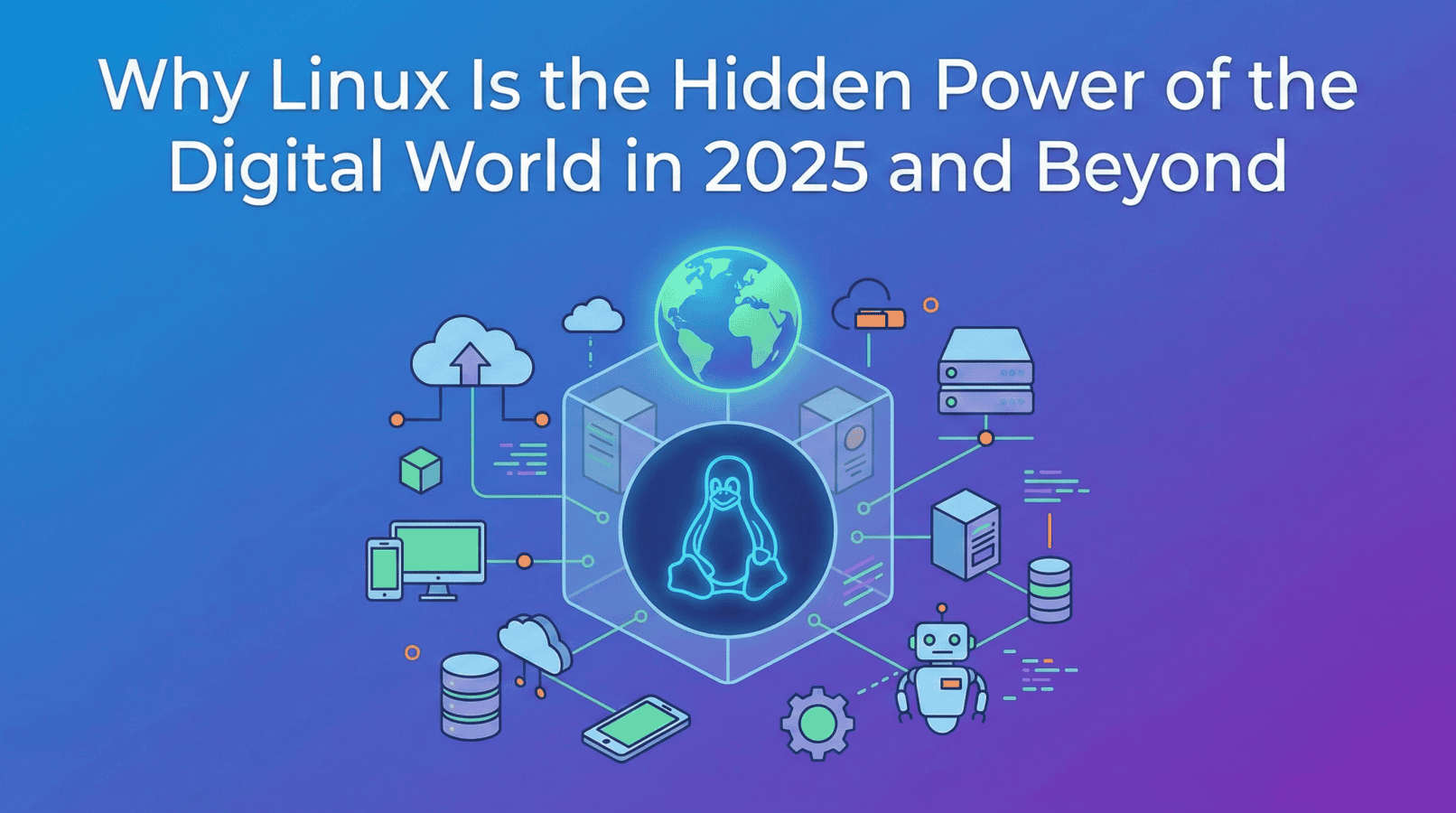
Linux has always been a cornerstone of the digital world, but in 2025 its influence is more visible than ever. What was once considered a niche operating system for developers and system administrators has now become the hidden power behind much of our modern technology. From servers that run the internet to handheld gaming devices and artificial intelligence platforms, Linux is quietly shaping the way we live and work.
One of the defining strengths of Linux is the diversity of its distributions. Fedora, openSUSE Tumbleweed, and Ubuntu each offer unique approaches to user experience. Fedora is known for integrating cutting‑edge technologies quickly, openSUSE Tumbleweed provides a rolling release model that ensures continuous updates without reinstallations, and Ubuntu remains popular for its ease of use and broad hardware support. This variety means that whether you are a beginner or a seasoned professional, there is a Linux distribution that fits your needs.
Gaming has become a surprising area where Linux is gaining ground. Thanks to projects like Proton, many popular titles now run smoothly on Linux systems. The Steam Deck, powered by Linux, has further proven that open‑source software can deliver a console‑like experience. For gamers who value stability and flexibility, Linux offers a compelling alternative to traditional platforms.
Cybersecurity is another domain where Linux stands out. Its open‑source nature allows vulnerabilities to be identified and patched quickly by the global community. Security frameworks such as SELinux strengthen the operating system’s defenses, making it a trusted choice for enterprises running servers and cloud infrastructure. In an era of increasing ransomware attacks, transparency and rapid response are invaluable advantages.
Artificial intelligence and data science also rely heavily on Linux. Most machine learning frameworks and research tools are developed for Linux environments, offering stability and compatibility with the latest drivers and libraries. This ensures that Linux will remain central to innovation in AI, automation, and scientific computing as we move into 2026 and beyond.
For users considering a switch, the advice is simple: experiment with different distributions and find the one that feels right. Linux is not just an operating system—it is a global community that encourages innovation and gives users true control over their devices. As 2025 draws to a close, Linux has proven itself to be the hidden power of the digital world, and its influence will only grow in the years ahead.
